


Address
1112 West Burbank Blvd. Ste 204
Burbank, CA 91506

Can Reducing Screen Time Slow Myopia Progression?
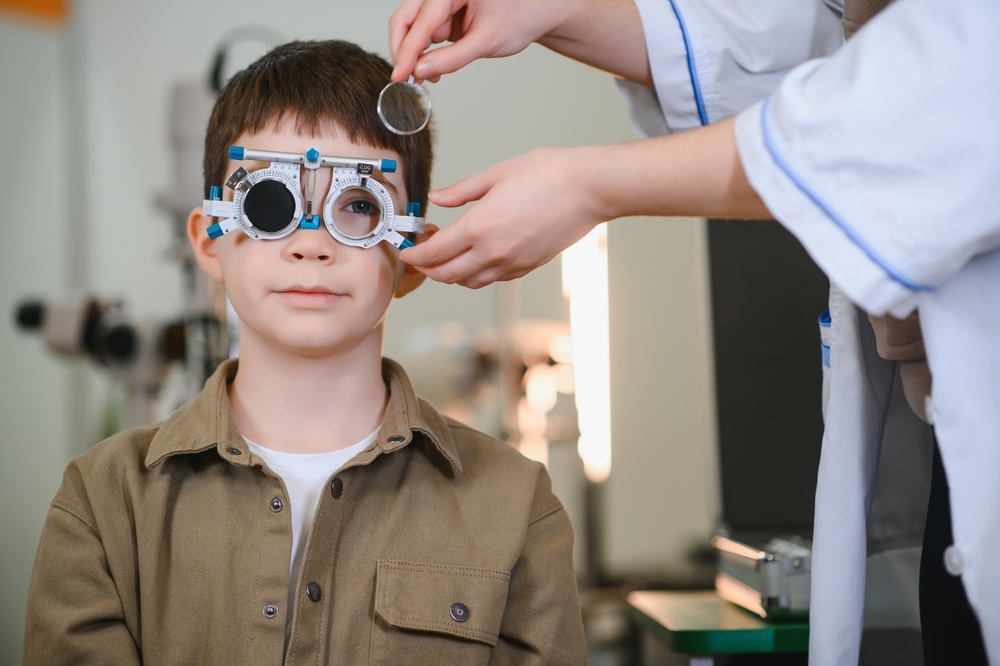
Myopia, or nearsightedness, happens when the eye grows too long from front to back or the cornea is too curved, causing distant objects to appear blurry. For many children, myopia can progress as they grow, especially during school-age years when the eyes are still developing.
At Burbank Family Optometry, we often talk with parents about daily habits that may affect their child’s vision. Screen time is one of the most common concerns, especially with more children using tablets, computers, phones, and digital learning tools throughout the day.
Does Screen Time Cause Myopia?
Screen time alone may not be the only reason a child develops myopia, but long periods of near work can contribute to visual strain and may be associated with myopia progression. When children spend hours focusing up close without breaks, their eyes may have less opportunity to relax and shift focus to farther distances.
This does not mean every screen should be avoided. Many children in Burbank use digital devices for school, communication, and entertainment. The goal is to create healthier habits that support eye comfort and long-term visual development.
Why Outdoor Time Matters
One of the most helpful lifestyle changes for children at risk of myopia progression is spending more time outdoors. Natural light and distance viewing give the eyes a different visual environment than close-up screen use.
Outdoor play also encourages children to look farther away, move their bodies, and take breaks from constant near focus. For families in Burbank, even simple daily routines like walking, sports, park time, or outdoor activities after school can help create a healthier balance.
Healthy Screen Habits For Kids
Reducing screen time does not always mean removing devices completely. Instead, we recommend building habits that make near work more balanced and less demanding on the eyes.
Helpful habits may include:
- Taking regular breaks during homework, reading, or screen use
- Encouraging outdoor time each day when possible
- Keeping screens at a comfortable distance
- Avoiding screens too close to bedtime
- Making sure your child has proper lighting while reading or using devices
- Scheduling routine eye exams to monitor vision changes
These steps can help reduce digital eye strain while supporting a more proactive approach to myopia management.
When Screen Time Becomes A Concern
Parents should pay attention if their child starts squinting, sitting closer to the TV, holding devices very close, complaining of headaches, or struggling to see the board at school. These can be signs that myopia is developing or progressing.
Because children may not always realize their vision has changed, routine pediatric eye exams are important. A child may assume blurry distance vision is normal, especially if the change happens gradually.
Myopia Management Is More Than Screen Time
While reducing screen time and increasing outdoor time can help support eye health, they may not be enough on their own. Myopia management may include specialized treatment options designed to help slow progression and protect long-term vision.
At Burbank Family Optometry, we evaluate each child’s vision, eye health, prescription changes, and daily habits before recommending an approach. Our goal is to help families understand their options and create a plan that fits their child’s needs.
Supporting Your Child’s Vision In Burbank
Screen habits matter, but the bigger picture is balance. Encouraging breaks, outdoor activity, and regular eye care can help support healthier visual development. If your child’s prescription is changing or you are concerned about myopia progression, an eye exam can provide the clarity you need.
To schedule a myopia evaluation for your child, contact Burbank Family Optometry in Burbank, CA by calling (747) 323-4500.
© 2026 Burbank Family Optometry. All rights Reserved - Accessibility Statement - Privacy Policy - Sitemap
Powered by
